

As important as it is to cybersecurity, cryptography can seem like a daunting task. The STEM EDA Apply Music module highlights several examples of cryptography used through history. Since their advent, computers have all but made these encryption techniques obsolete, though they can be used now for fun games and simple introductions to the encryption process. One of my favorite historic example of cryptography is known as the Secret Code of Lewis and Clark (aka the Vigenere Cipher).
This cipher can be found in the Apply Music module on pages 30-35. The cipher works by having the students create a password that is shared only with the person to whom they are sending the message. Once the password is chosen, they use a grid (see below) to encrypt any message by combining the letters of the message with the letters of the password.
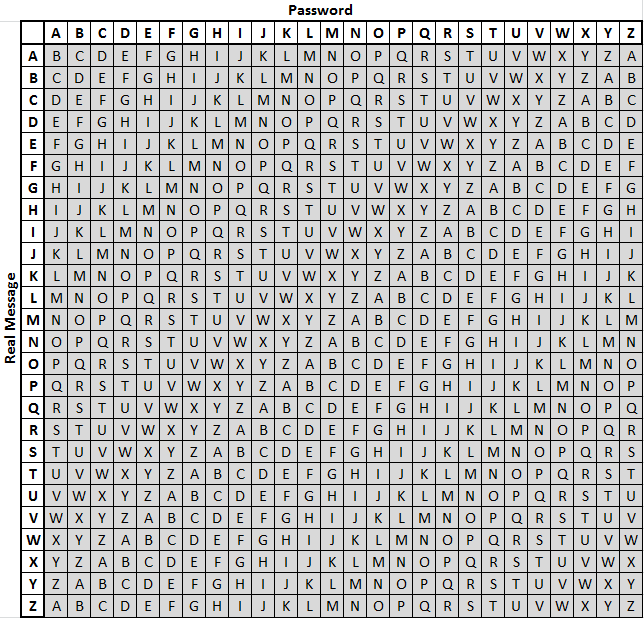
For example:

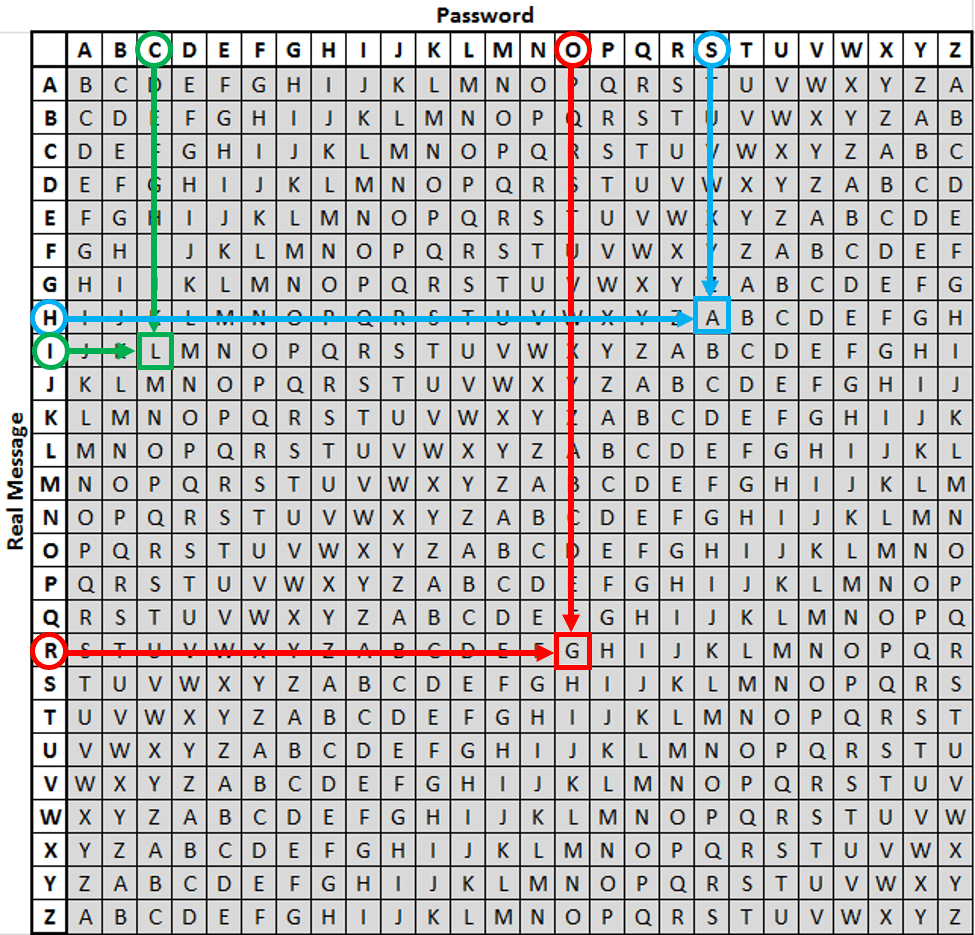
The colored arrows and circles help guide you through the process of encrypting the first three letters of the message.
Starting with the left-most column, you find the letter you are trying to encrypt and follow that row until you reach the corresponding password letter, found on the top row. The easiest way to keep your letters straight is to utilize the tables on page 35. You can also simply write out your message and then line up your password letter for letter underneath your original message. Your password will most likely need to be repeated in order to match each letter of your message with a letter of your password. This will give you something that looks like this:

Once you have encrypted all of the letters from your original message, you should have something that looks a bit like gibberish.
This challenge is just that: VERY challenging. But, it is possible to do. This part of the activity showcases how passwords work. This method of encrypting messages is relatively simple to use, even by hand. Using a computer to decrypt the messages would take little to no time at all.
This activity also highlights the importance of keeping your password(s) secure; if someone is attempting to gain access to your information and they don’t have to do any sort of decryption, their job is that much easier. Longer passwords, even with modern technology, are simply more secure and will help protect you and your data.

This blog post comes from Curriculum Development Specialist John Queen.